
 EN
EN  TR
TR 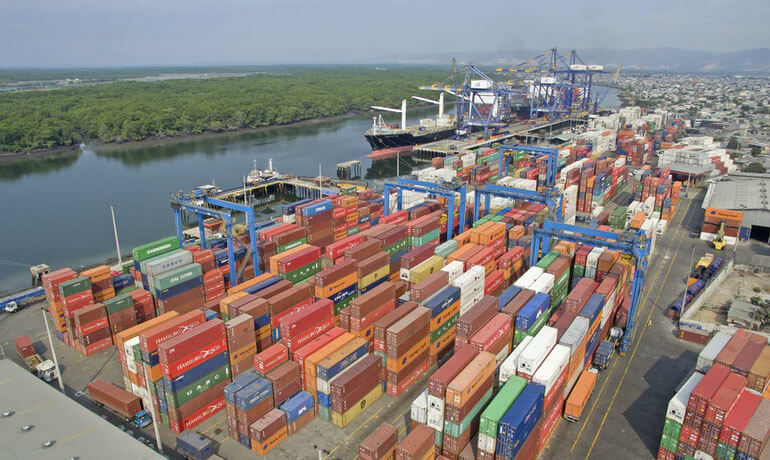
Land, Air and Sea Transportation: Cornerstones of Logistics
The logistics sector relies on different transportation methods to ensure that products are delivered at the right time, in the right place and at the most cost-effective way. Land, air and sea transportation form the cornerstones of these processes. Each has different advantages and disadvantages and is chosen according to various transportation needs. In this article, we will explore these three types of transportation in depth.
Land Transportation: Flexibility and Accessibility
Land transportation is one of the most widely used methods in the logistics industry. Land transportation, which is usually carried out by trucks, trucks and special transportation vehicles, is known for its flexibility and wide transportation network. The most important advantage of road transportation is its accessibility. It is possible to transport all kinds of products to almost any region. It also plays an important role in passenger transportation.
The disadvantages of land transportation are that it may cause delays depending on external factors such as traffic, weather conditions and road conditions. In addition, efficiency may be lower compared to other modes of transportation, especially when transporting large volumes of cargo.
Air Transportation: Speed and Global Connectivity
Air transportation is the preferred mode of transportation for time-critical situations. Especially for international transportation, air routes offer a fast and safe option. The biggest advantage of air transportation is that cargo can reach anywhere in the world quickly. Therefore, it is preferred for the transportation of valuable, urgent or perishable goods.
However, air transportation is more costly than other methods. Also, it may not be suitable for large volume transportation due to its limited cargo capacity. Airport security and the impact of weather conditions may also cause disruptions from time to time.
Sea Transportation: Cost and Efficiency
Sea freight is the most efficient option, especially for large volume and low-cost transportation. Ships can carry large amounts of cargo in containers and this mode of transport is often the backbone of international trade. It is especially widely used for the transportation of oil, automobiles, electronics and food products.
The advantages of maritime transport include low costs, the capacity to transport large volumes and environmental friendliness. However, this mode of transport can be slower in terms of time and is susceptible to external factors such as weather conditions and ship accidents. Also, access between certain routes and ports can be limited.
Which Transportation Method to Choose?
The choice of transportation method depends on the type of product to be transported.